

Designers have never had it more important to stay on top of the latest photography trends. Stills, the innovative photo-licensing service revolutionizing the design industry, has just released its 2025 Photography in Design Trend report. It offers invaluable insights to designers who want to elevate their work.
You can read the report in full or download it today.
If you are looking for high-quality and accessible images with limited licensing (which prevents the same image from being used across multiple campaigns), read our article on how Stills helps designers create their best work.
Photographic Trends
1. Candid Photos
The polished aesthetics of the 2010s are officially passé. The audience today is looking for authenticity. Brands are shifting their focus from selling products and experiences to human connection. This trend is capturing real, unfiltered, relatable moments, especially in clothing and lifestyle brands. Victoria Stefania, a content creator, says, “We’re looking for more roughness, authenticity, and relatability.”
Anne Holiday: A Woman with Black Hair Smiling in a City Setting
2. Abstract/Textural
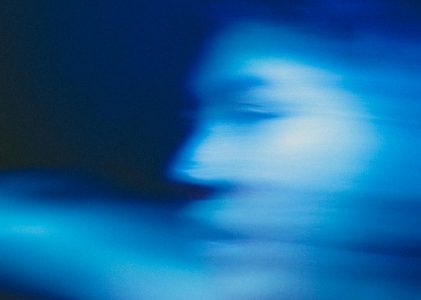
Flat design will feel increasingly one-dimensional in 2025. Textural and abstract imagery can add depth to a design, softening the type and giving it tangibility. Robert McCombe, a UK-based content designer, explains that “digital precision combined with a tactile feel creates a unique equilibrium.” It’s a blend of old-school and new-school design, digital with physical, that leaves a lasting impression.
Jason Buckley’s Blurred Silhouettes of People in Motion Illuminated by Colored Lights
3. Dark Imagery
Media are captivated by dramatic visuals featuring deep shadows, muted colours, and bold contrasts. This trend, which takes inspiration from luxury fashion brands like Louis Vuitton, Fear of God, and Gucci, amplifies visual impact, creating strikingly modern aesthetics.
Gianluca Mortarotti, Sad Silhouette of a Person Outside a Building at Night.
4. “Flash On”
This dynamic trend is characterized by direct lighting and vivid subject separation. Brands are increasingly using high-key flash photography to make their images appear authentic and lively. A great example is at the top of this page. Stefania says that there is a greater need to make things feel genuine in the digital world as we progress. This style is particularly appealing to audiences who appreciate Y2K-style aesthetics.
5. JPEG Artifacting
Intentional digital artefacts have replaced noise. This new trend gives images a deliberately imperfect, raw quality. Joe Diver, a graphic designer based in London, observes that “we’re witnessing a significant shift away from digital culture to ‘IRL,’ where people are increasingly rejecting ultra-modernity and embracing an appreciation of tradition.” These digital imperfections appeal to early internet nostalgia while also providing a unique visual texture.
Sean Hagwell’s Pink Wall: A Straight-haired Girl Pops Pink Bubblegum in Front of a Pink Wall
6. Collage
This resurgent style is defined by the chaos created when breaking the rules and adding layers. Kirsten Holland, a New York-based illustrator and designer, says that in a world where AI and automation dominate her mind, she is drawn to trends which have a human touch. Collage work, which embraces imperfections, produces designs that are organic and unique in today’s visual landscape.
Elia Pellegrini: A Woman Hesitantly Reachs Out to Multiple Hands Reaching out to Her in an Exterior Location During The Day
Design Trends
7. Half-Finished
A raw aesthetic is replacing the polished, perfect look with intentional imperfections. Brands are using this hand-drawn style to inject personality into their visual identities. Nik Reed, Wieden + Kennedy’s creative director, explains that “we have started to see a return to personality and character in identities as brands look back into their pasts to find a few things that make them unique.”
8. Cut and Glue
In response to the digital overload, physical assembly techniques are regaining popularity. Brighton-based graphic designer Dan George Hill says it’s wonderful to see a move towards tactile projects. It brings a unique contrast to an increasingly digital world. These analogue processes distinguish the work as authentically human and introduce meaningful imperfections.
9. Serifs are King
Serif fonts are bringing sophistication back to typography, countering the digital aesthetic that has dominated recent years. Robert McCombe, a graphic designer based in the UK, says, “It’s like a fusion between pre-tech design and modern design. Digital and physical. It leaves a lasting impression.” Serifs are a great way to convey a sense of timelessness and heritage while making designs look less computer-generated.